
Meat Packaging Equipment for Processors
Select vacuum packaging, sealing, shrink packaging and line equipment around your meat product, pack format and required output. DongFeng helps processors evaluate a practical equipment route for fresh, processed and frozen products.
Every meat packaging process has different requirements.
A chamber vacuum machine, a tray-sealing process and an integrated packaging line are not interchangeable. The right choice depends on the product condition, packaging material, required pack result and production flow.
Send a pack sample or drawing with the target output. It is the fastest way to establish a suitable machine category.
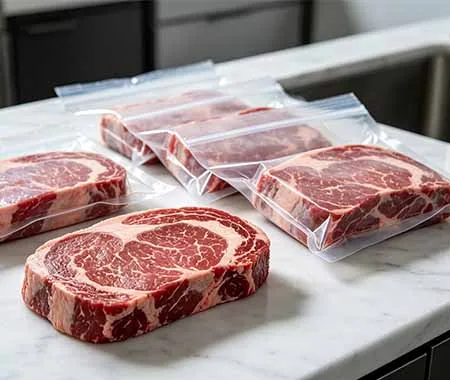
Choose a meat packaging route by product format.
Each guide starts with the product and pack conditions that change equipment selection. They are practical routes to assess, not pre-set line packages.
Fresh meat retail packs
Review tray dimensions, product height, film handling and the required retail presentation before assessing a wrapping route.
Explore fresh meat wrappingBeef and steak products
Product edges, bag dimensions, seal area and the required finished appearance shape the practical vacuum or shrink route.
Explore beef and steak packagingGround meat and hamburgers
Start with portion format, tray or bag, product temperature, target output and the handling routine after packing.
Explore ground meat packagingDeli and processed meat
Focus on repeatable pack dimensions, seal cleanliness, SKU range and manageable changeovers across the planned product mix.
Explore deli meat packagingPoultry
Whole birds, portions and marinated products have different moisture and handling conditions. Chamber size, bag format and sealing process should be reviewed together.
Explore poultry packaging equipmentFrozen and bulk products
Confirm bag dimensions, product edges, storage route and handling steps before and after sealing to establish the suitable process.
Explore frozen meat packagingUse the product and pack to narrow the equipment route.
This guide is a practical starting point, not a fixed recommendation. Product samples, packaging materials and target output still need to be checked before a machine is specified.
| Product condition | Pack format to review | Production range | Process to evaluate | Possible equipment route |
|---|---|---|---|---|
| Fresh cuts, steaks and portioned meat | Flexible vacuum bag; tray format where the required presentation and materials support it | Low to mid volume, or higher output where loading can be organised continuously | Vacuum meat packaging; assess chamber clearance, seal length and operator loading routine | Single chamber vacuum packaging or double chamber vacuum packaging |
| Deli, processed and marinated meat | Repeatable bag or tray dimensions, with attention to the seal area and product moisture | From batch production to repeatable multi-SKU workflows | Confirm product placement, seal consistency and changeover requirements before comparing models | Single chamber vacuum packaging; assess line integration where the product flow requires it |
| Frozen, bulky or irregular products | Bag dimensions and material suited to product edges, pack weight and downstream handling | Batch or continuous workflow, depending on loading and connected equipment | Review bag protection, chamber dimensions, loading method and handling after sealing | Double chamber vacuum packaging or a meat packaging production line |
| Vacuum-packed meat requiring a tight finish | Compatible vacuum shrink bag and a finished-pack requirement | Batch finishing; confirm if a continuous tunnel is required before selection | Vacuum packaging followed by compatible hot-water shrink processing | Hot water shrink equipment with a compatible vacuum packaging route |
For a useful assessment, send the product condition, pack sample or drawing, packaging material, target output, available space and power supply.
Choose the packaging method before selecting the machine.
Assess bag format, chamber capacity, sealing length and cycle time against the product and output requirement.
Review gas, film, tray and distribution requirements as one package specification.
When a tight finish is required, plan shrinking as a compatible step in the packaging process rather than as an isolated purchase.
Move from packaging requirement to equipment category.
Each route links to an existing machine or production-line page.
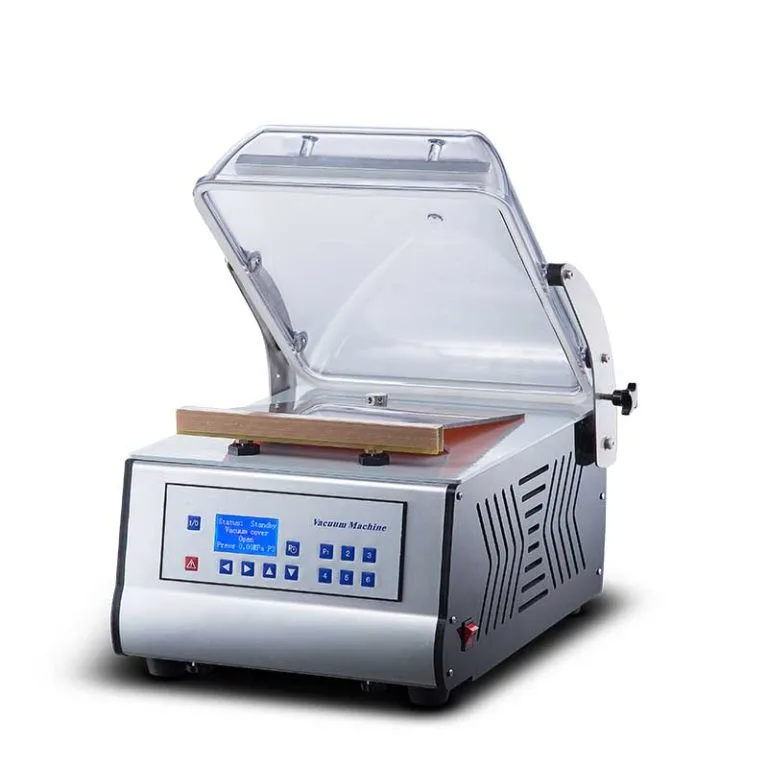
Single chamber vacuum packaging
For flexible bag packaging where chamber dimensions and output suit a single-chamber workflow.
Explore machines →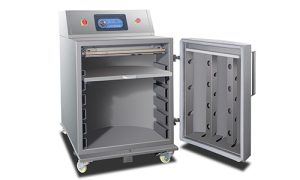
Double chamber vacuum packaging
For operations requiring a more continuous operator workflow and higher practical output.
Explore machines →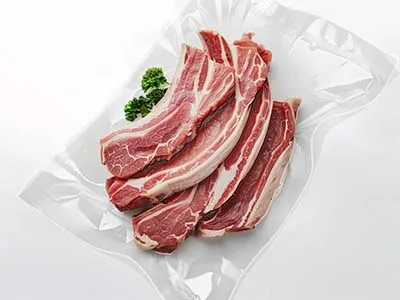
Meat packaging production line
For projects requiring packaging, shrinking, wrapping, labeling or conveying to be assessed as one process.
Explore production lines →What buyers need to know first.
Five practical answers for processors comparing meat packaging equipment or planning a packaging line.
The right method depends on the cut, product condition, selected bag or tray, required presentation, distribution route and output. Vacuum, MAP and other pack formats should be assessed against these inputs.
A machine performs one packaging step. A production line coordinates compatible packaging, shrinking, wrapping, conveying, labeling or inspection steps around one product flow.
Often it can, provided chamber size, bag format, seal settings and changeover needs work across the planned SKU range. Product samples should be reviewed before selection.
Start with packs per minute or production per shift, then consider product loading, seal cycle, operator workflow, product changeovers and any connected equipment.
Send the product type and condition, pack sample or dimensions, packaging materials, target output, preferred process, available floor space, electrical supply and destination market.
Bring the product, pack and target output into one conversation.
Share your product details and packaging requirement. We will help identify the equipment category worth evaluating first.