
Ground Meat and Hamburger Packaging Equipment
Choose ground meat packaging equipment after the meat has been portioned or formed. DongFeng helps processors compare tray wrapping, vacuum bag packing and connected packaging routes for loose ground meat, hamburger patties and retail-ready portions.
Packaging begins after portioning or forming.
A ground meat packaging machine does not automatically solve portioning, patty forming or weighing. Confirm what arrives at the packaging station: loose ground meat, formed hamburger patties, stacked portions or filled retail trays.
That product condition determines the pack. A tray with cling film is a retail display format. A vacuum bag is a different format with different loading, sealing and handling requirements. Keeping those routes separate prevents an unsuitable equipment recommendation.
For a commercial ground meat packaging project, send the filled pack—not only the meat weight. The tray or bag, finished height, product temperature and the steps before and after packaging all matter.
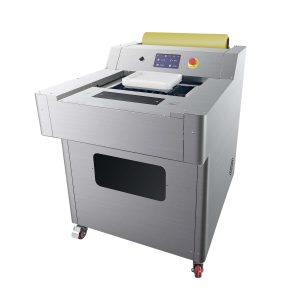
Choose the route around the product and pack.
This table helps a buyer define the packaging brief. It does not replace a product trial or a confirmed equipment specification.
| Product or workflow | Confirm before selection | Packaging route to assess |
|---|---|---|
| Loose ground meat in retail trays | Tray dimensions, filled height, product placement, film and label position. | Cling film tray wrapping when the product is prepared for a retail-display tray. |
| Formed hamburger patties | Patty diameter, thickness, tray support, stack or single-patty format, and whether the patties arrive formed. | Tray wrapping or vacuum packaging, determined by the finished pack specification. |
| Ground meat in vacuum bags | Bag dimensions, product portion, seal area, loading method and the desired routine after sealing. | Single- or double-chamber vacuum packaging, after checking chamber and seal requirements. |
| Multiple retail SKUs | Smallest and largest packs, tray or bag changes, film or bag changes, and changeover frequency. | Review the full SKU range before relying on one configuration. |
| Connected packaging operation | What happens before packaging and how finished packs move to weighing, labeling, inspection, boxing or cold storage. | A meat packaging line discussion, with each required stage specified separately. |
Three routes for ground meat and hamburger packs.
The route follows the finished package. Do not use the term “hamburger packaging machine” to imply that a wrapper also forms patties, doses product or applies labels unless those functions are explicitly quoted.
Retail tray wrapping
Use cling film wrapping for filled trays where clear retail presentation is the required pack format. Review tray dimensions, product height, film and the operator routine. This is wrapping, not vacuum packaging.
Explore cling film wrapping equipment →Vacuum bag packaging
For ground meat or patties packed in vacuum bags, assess bag size, seal cleanliness, load pattern and actual handling cycle. The right chamber category depends on the product and work routine.
Specified production line
Where forming, packaging, weighing, labeling or downstream handling must connect, map each stage before defining a line. A production line should follow the approved product and pack flow, not an assumed capacity figure.
Explore meat packaging line options →Bring the right samples to the equipment discussion.
Send loose ground meat or formed patties in the same condition they will reach packaging. Product temperature, texture and portion shape affect handling.
Provide the filled tray or bag, including any pad, liner, label or insert. An empty tray does not show the complete packaging requirement.
State target finished packs per hour, staff at each step, SKU changes and the equipment before and after packing. This is the basis for reviewing practical output.
Answers for equipment buyers.
These answers clarify the packaging scope before a quotation is prepared.
Is a hamburger packaging machine also a patty-forming machine?
Not necessarily. This page covers packaging after ground meat has been portioned or patties have been formed. If you need forming, dosing, weighing or labeling, identify those functions separately so they can be assessed as part of the required workflow.
Can cling film wrapping be used for ground meat trays?
It can be assessed for filled retail trays where the product, tray, film and required presentation are suitable. Cling film wrapping covers the tray; it does not remove air from the package or replace a vacuum process.
When should I consider vacuum packaging for ground meat?
Consider it when your chosen finished pack is a vacuum bag. Confirm the portion size, bag format, seal area and loading method first, then compare chamber options around that actual pack.
Can one machine handle loose ground meat and formed patties?
It depends on the final package, dimensions, product profile and changeover requirements. Send samples of both formats. A recommendation should be based on the full SKU range rather than a single ideal pack.
How do I estimate practical output?
Count the whole routine: loading, packaging, any finishing step, roll or bag changes, quality checks and downstream handling. A listed machine rate alone does not predict finished packs per hour in your operation.
Does packaging equipment include weighing and labeling?
Do not assume these functions are included. Describe the required weighing, printing and labeling steps, and make sure any related equipment or integration is stated in the quotation.
What is needed for a ground meat packaging quotation?
Provide product photos, product temperature, portion weights and dimensions, filled tray or bag samples, target output, SKU range, available voltage, installation space and the workflow before and after packaging.
Send your ground meat product and finished pack.
Include the product format, tray or bag sample, target finished packs per hour and the operations around packaging. We will help identify the equipment route worth reviewing first.