
Beef & Steak Packaging Equipment
Choose a beef packaging route around the cut, bag or tray, and handling workflow—not the product name alone. DongFeng helps processors assess vacuum packaging for steaks and beef cuts, with hot-water shrink finishing only where the selected vacuum pack is compatible.
A steak pack is defined by the cut, not just its weight.
A boneless steak, a bone-in cut and a large irregular beef portion can call for very different handling. The bag needs a clear seal zone; the chamber needs practical clearance; and the loading routine has to work on the shop floor.
For retail steak packaging, first decide whether the product will stay in a tray or move into a vacuum bag. That choice changes the equipment route more than the label “beef” or “steak.”
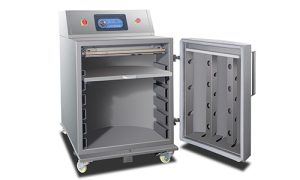
What changes the beef packaging equipment route?
Use the actual product, pack material and handoff process to narrow the route before comparing machine models.
| Product and pack condition | What to check first | Packaging decision | Possible equipment route |
|---|---|---|---|
| Boneless steaks or portioned beef cuts | Bag dimensions, seal area, pack weight and chamber clearance | Decide whether a flexible vacuum bag fits the product and the intended finished appearance. | Single- or double-chamber vacuum packaging, selected around the loading routine. |
| Bone-in or irregular beef cuts | Sharp points, product positioning, bag protection and practical loading | Review the actual sample with the material supplier; do not choose a route from dimensions alone. | Vacuum packaging after product and bag handling have been checked together. |
| Retail steak in a tray | Tray footprint, film method, display requirement and post-pack handling | Confirm whether the tray remains the retail pack or is only part of a later process. | Assess a tray-wrapping route separately from a vacuum-bag route. |
| Vacuum pack requiring a tight finish | Vacuum bag compatibility, seal integrity and the process after vacuum packaging | Confirm that shrink finishing is appropriate for the chosen bag and product. | Vacuum packaging followed by compatible hot-water shrink finishing. |
Choose the pack method first. Then select the equipment category.
Share the cut dimensions, an empty bag or tray, the sealing area and a photo of the packed product. These inputs expose issues a machine name cannot.
Decide how packs reach the machine, who loads them, and what happens after sealing. Chamber size and configuration need to fit that real sequence.
If a close-finished vacuum pack is required, validate the bag and shrink step together. Shrink processing is a connected stage, not a substitute for a sound vacuum pack.
Compare the route against the steak pack and the way it is handled.
The right option depends on the product sample, packaging material and production routine.
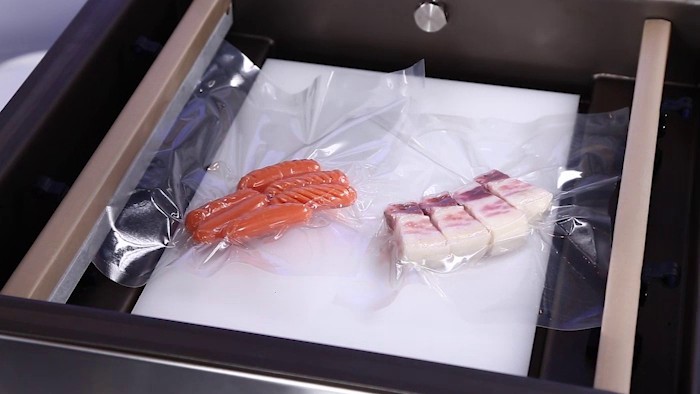
Single chamber vacuum packaging
For beef and steak packs whose size, bag format and operator loading routine suit one chamber.
Explore single chamber equipment →Double chamber vacuum packaging
For operations comparing a more continuous loading pattern against their steak size range and bag setup.
Explore double chamber equipment →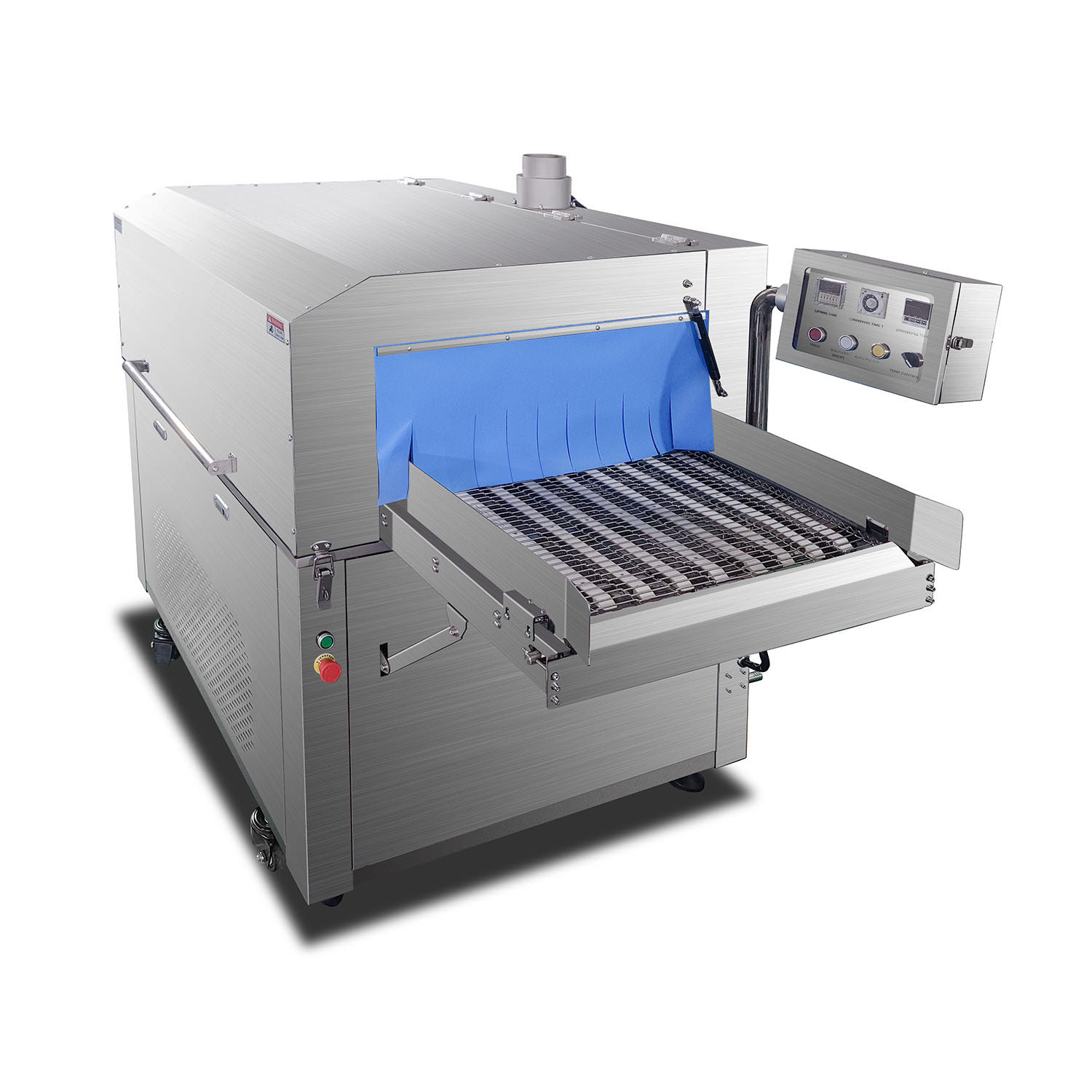
Hot-water shrink finishing
A downstream stage for compatible vacuum-packed beef products where the finished pack needs a close fit.
Explore shrink equipment →Questions buyers should settle before requesting a quotation.
Clear answers about the product and pack make technical assessment faster and more useful.
What packaging equipment is suitable for boneless steaks?
Start with the pack dimensions, bag format, seal area and target workflow. A single- or double-chamber vacuum route may be suitable, but the choice depends on how the actual packs are loaded and handled.
What is the difference between vacuum packaging and shrink finishing for steak?
Vacuum packaging removes air and seals a suitable bag. Hot-water shrink finishing is a separate downstream process for compatible vacuum packs when a tighter final appearance is required.
Can one vacuum machine handle several steak sizes?
Often it can, provided the product and bag sizes remain within the usable chamber and seal dimensions. Send the smallest and largest packs, not only an average size, for a meaningful review.
How should bone-in or sharp-edged beef cuts be assessed?
They should be reviewed with a product sample and the intended packaging material. Edge profile can affect bag protection, pack positioning, chamber clearance and the loading routine.
Is retail steak tray packaging the same as vacuum bag packaging?
No. A retail tray and a vacuum bag are different pack formats, with different film, equipment and handling requirements. Confirm the final retail pack before comparing machines.
What information is needed for a beef packaging equipment quotation?
Provide product photos and dimensions, a bag or tray sample, pack weight, target output, available utilities and the next process after packaging. The best machine recommendation is based on those details together.
Send the steak or beef cut, pack sample and target workflow.
We will help you identify which vacuum-pack route—and whether compatible shrink finishing—is worth evaluating first.