
Fresh Meat Wrapping Equipment for Retail Packs
Choose a meat wrapping machine for the trays you actually pack. DongFeng iWarp and iWarp Pro use cling film to wrap food packs for retail presentation, with an operator loading the product and starting the wrapping cycle.
Cling film around a tray. Not a vacuum bag.
Fresh meat wrapping equipment covers a filled tray with clear film. The meat stays visible, while the tray supports the product during handling and display. This is a different process from removing air from a vacuum bag or sealing a lidding film to a tray rim.
A commercial meat wrapping machine needs to match the filled pack, not just the empty tray. A tall cut, an uneven portion or a product that extends past the tray edge changes how the film fits.
For a butcher shop, supermarket meat department or retail packing room, start with the smallest and largest packs you use. Include the product height and the number of tray changes during a normal shift.
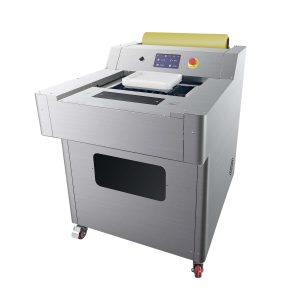
Match the meat tray to the wrapping process.
Use this checklist to prepare samples and compare equipment. It is a selection guide, not a guarantee that every pack format will run.
| Your pack or workflow | Check first | What to verify in a trial |
|---|---|---|
| Steaks and portioned fresh cuts | Filled tray length, width and height, including any product above the rim. | Film coverage, underside finish and whether the tray keeps its shape. |
| Ground meat and formed patties | Product profile, tray support and clearance between the film and the portion. | Whether wrapping changes the shape or presentation of the product. |
| Bone-in cuts or irregular portions | Exposed edges, protrusions and placement within the tray. | Film damage or poor coverage. Do not assume a thicker film alone resolves the issue. |
| Several tray sizes in one shift | The full size range, film rolls and frequency of changeovers. | Setting changes, first-pack quality and the time needed to resume packing. |
| Busy retail packing periods | Target finished packs per hour and staff assigned to loading, wrapping and labeling. | Sustained output across the complete routine, including roll changes and interruptions. |
iWarp or iWarp Pro: choose by pack format.
Both models belong to the food cling film wrapping range. iWarp Pro accommodates a larger package and film-width range; it should not be chosen simply on the assumption that “Pro” means a faster machine.
| Selection point | iWarp | iWarp Pro |
|---|---|---|
| Pack format | Smaller supported package formats. | Larger supported package and film-width ranges. |
| Listed capacity | 10–15 packs/min. | 10–15 packs/min. |
| Operator involvement | The operator loads the tray and starts the wrapping process. Include handling and finishing steps when planning staffing and output. | |
| Before ordering | Confirm the current model specification against your filled tray samples, film roll, power supply and available space. | |
The capacity above is a published equipment rating, not a measured result for your meat product. Actual output depends on pack size, film, loading and the surrounding workflow.
Plan the whole packing routine.
Prepare a consistent filled tray
Measure the finished pack and keep the product within the agreed profile. Include any absorbent pad or insert in the sample rather than testing an empty tray alone.
Load, wrap and check the finish
Set up the approved film and pack settings, then load the tray and start the cycle. Follow the model instructions for the heating-plate finishing step. Check coverage and film condition before passing the pack onward.
Allow time for the next operation
Weighing, labeling and moving finished packs take time too. Tell us whether those operations are separate or part of a planned line. Integrated weighing or labeling is not assumed to be included with the wrapper.
Need vacuum packaging instead of tray overwrapping?
Single-chamber machines, double-chamber machines and meat packaging lines can also serve meat applications. They are alternative equipment routes for a different pack specification, not interchangeable names for a cling film wrapper.
Single-chamber vacuum packaging
Consider this route when the intended pack is a vacuum bag. Compare usable chamber space, seal length, pack arrangement and the complete loading cycle.
Explore single-chamber equipment →Double-chamber vacuum packaging
For a vacuum-bag workflow, review whether alternating loading between chambers suits your staff and product flow. Confirm practical output with the actual bag and product.
Explore double-chamber equipment →Meat packaging production line
If the project involves connected operations, define the finished pack and required stages first. Line configuration should follow that specification rather than an assumed wrapping process.
Discuss a meat packaging line →Send your tray sizes and a filled-pack photo.
Include your smallest and largest packs, film details, target packs per hour, available voltage and the steps after wrapping. These details give us a useful starting point for a model recommendation and quotation.
What to know before buying.
Clear answers about the pack, the machine and the work around it.
Is a meat wrapping machine the same as a vacuum packaging machine?
No. A cling film wrapper applies film around the pack; a vacuum packaging machine removes air from a suitable bag before sealing. Choose the required package first. A machine suitable for one process is not a substitute for the other.
Are iWarp and iWarp Pro fully automatic meat wrapping machines?
They automate the wrapping operation, but the published product instructions still require an operator to load the tray and start the process. Plan them as operator-fed equipment, not an unattended line. Confirm loading, discharge and finishing steps for the quoted configuration.
How many meat trays can they wrap per minute?
The published capacity for both models is 10–15 packs per minute. This is not a guaranteed rate for every meat tray. Check sustained output with your product, film and operator routine, including any separate finishing and labeling steps.
Can one machine handle different meat tray sizes?
Several sizes may be suitable within the selected model’s supported range. Check length, width and filled height together. Send the full tray list, including the smallest and largest packs, so the film setup and changeovers can be reviewed.
Which cling film should I use?
Use a film approved for the intended food-contact application and compatible with the quoted machine. Share its material, width, thickness and roll dimensions. Do not assume that any film labeled “cling film” will perform the same way on your tray.
Does the wrapper include weighing and labeling?
Do not assume those functions are included. Specify whether you need separate stations or a connected workflow, and have any weighing, printing or labeling equipment identified explicitly in the quotation.
What determines the price of a commercial meat wrapping machine?
The model, agreed configuration, electrical requirements and any separately quoted equipment or services affect the price. Send the pack dimensions and target output first so the quotation covers the equipment you need rather than an unsuitable base model.